February 10, 2026
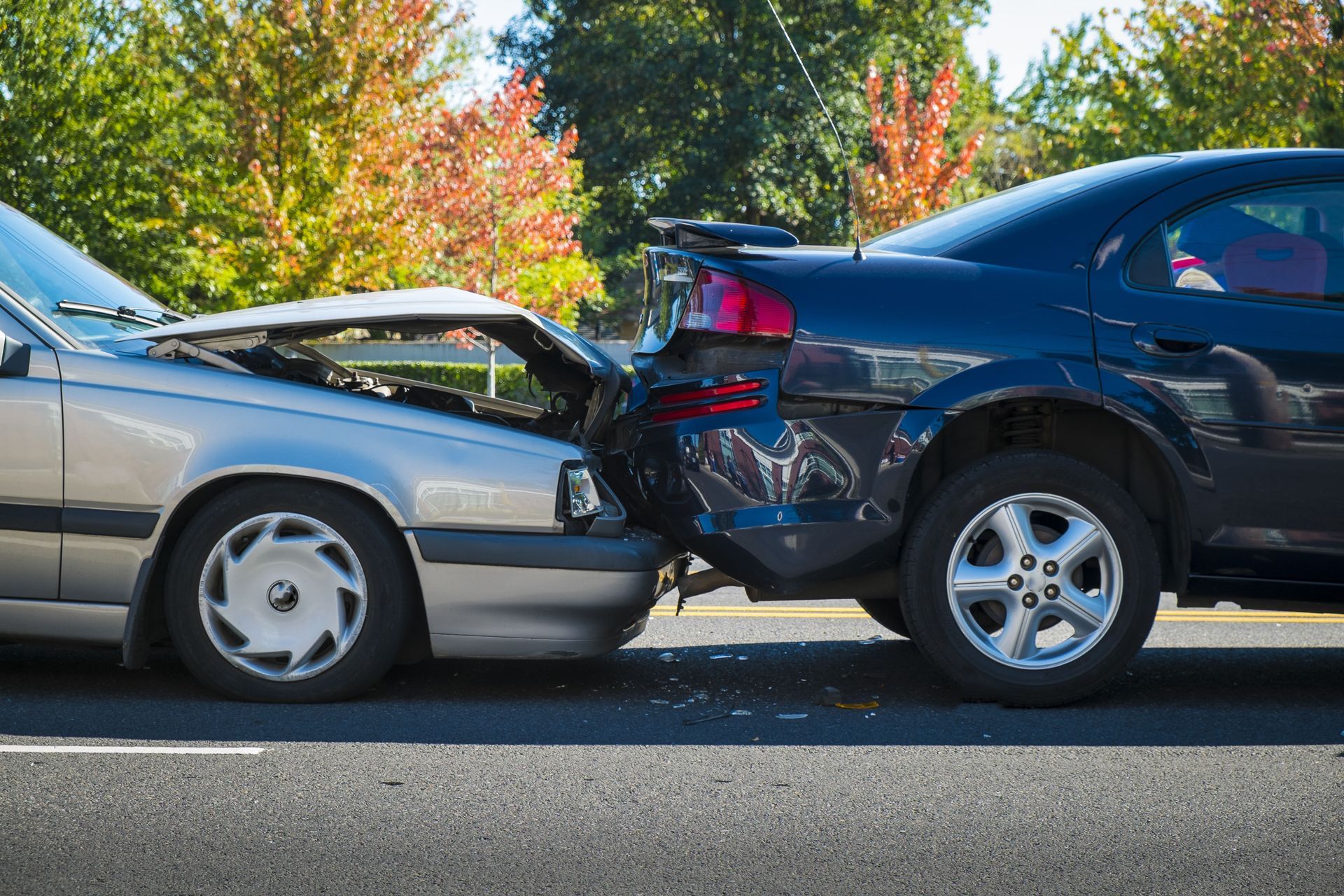
After an accident, choosing the right collision repair service can feel overwhelming. Your vehicle is often one of your largest investments, and repair quality directly affects safety, appearance, and long-term use. Choosing poorly may lead to unresolved damage, future repair needs, or delays during the insurance process.
In the moments following an accident, many decisions must be made quickly while managing stress and uncertainty. Taking time to slow down and review available options can help reduce confusion and improve clarity. A thoughtful approach can make the repair process feel more manageable from the start.
ImportantCollision Repair Decisions
Modern vehicles are built with increasingly complex designs that combine materials, electronics, and integrated safety components. Because of this complexity, collision repairs often extend beyond surface-level fixes. Even minor damage can affect how different systems function together.
As vehicles evolve, repairs require coordination between cosmetic restoration and functional considerations. Damage that appears limited at first may influence alignment, fit, or performance in subtle ways. Understanding this complexity highlights why careful repair decisions matter. According to SP Global, passenger cars in the U.S. averaged 14.5 years in service, while light trucks averaged 11.9 years in 2025.
Repair Experience
Do You Have Experience With Collision Damage Like Mine?
Not all accidents result in the same type of damage, and repair needs can vary widely. Some incidents involve cosmetic concerns, while others affect structural components, glass, or interior areas. Asking whether a facility has handled similar damage can help clarify familiarity with the repair type.
Who Will Be Working on My Vehicle?
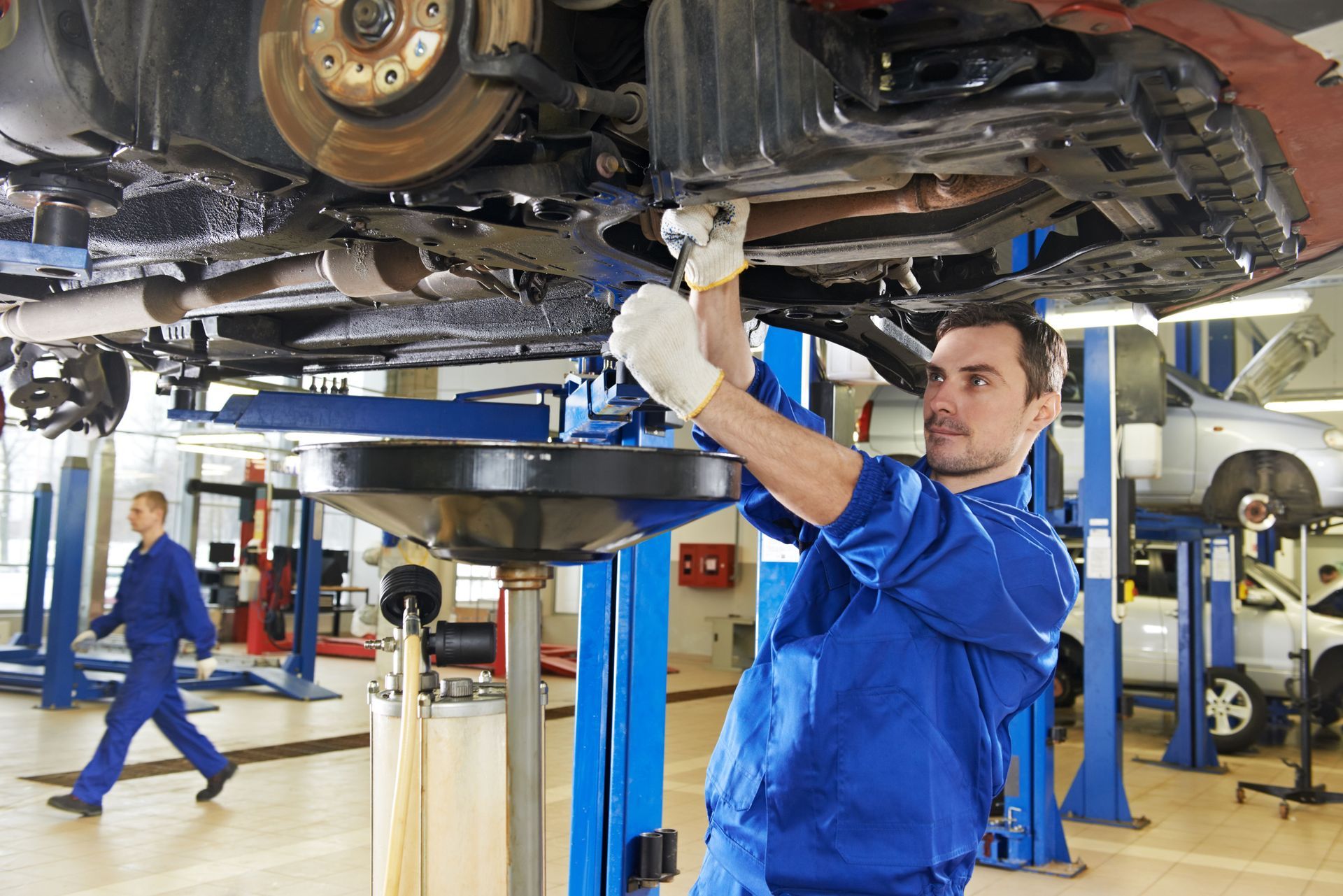
Knowing who will perform the repairs can help clarify how work is organized. Asking about the repair team and their hands-on experience with collision damage provides insight into daily operations. This understanding can make the process feel more predictable.
It can also be helpful to know whether repairs are handled by a consistent team or divided across departments. This information may influence how updates are shared and how questions are addressed. Clear awareness of roles often supports smoother communication.
Collision Repair Processes
How Do You Address Structural and Frame Damage?
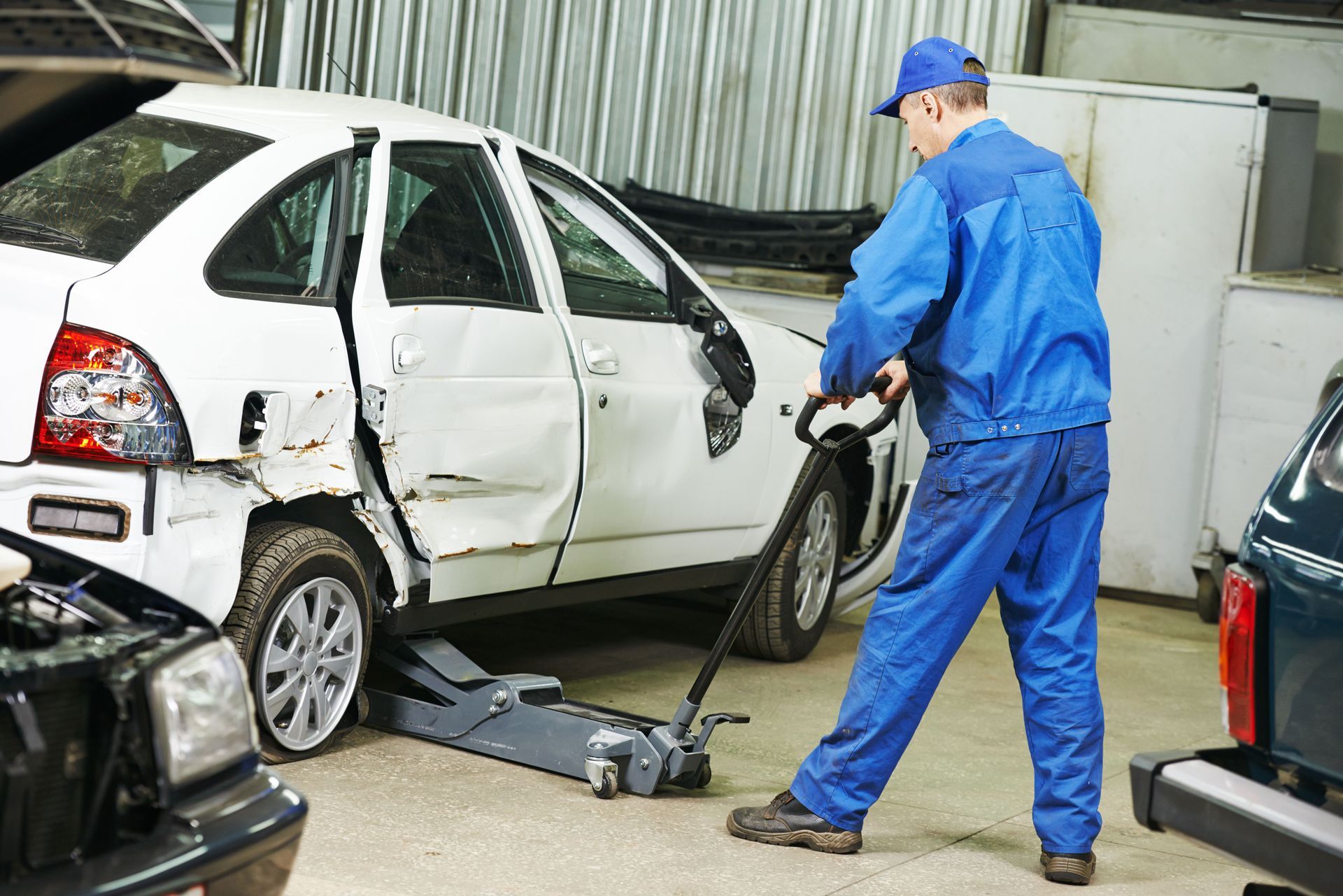
Some damage affects a vehicle's structure or alignment even when exterior damage appears limited. Asking how these concerns are identified can clarify the evaluation process. Structural considerations often influence how a vehicle performs after repairs.
Alignment and structural issues may affect handling and component fit. Understanding how these areas are reviewed can provide helpful context. These discussions support a more complete picture of the repair approach.
Asking about structural considerations also sheds light on how thoroughly less visible damage is addressed. These questions encourage transparency. They can also help align expectations early.
What Is Your Approach to Paint and Refinishing?
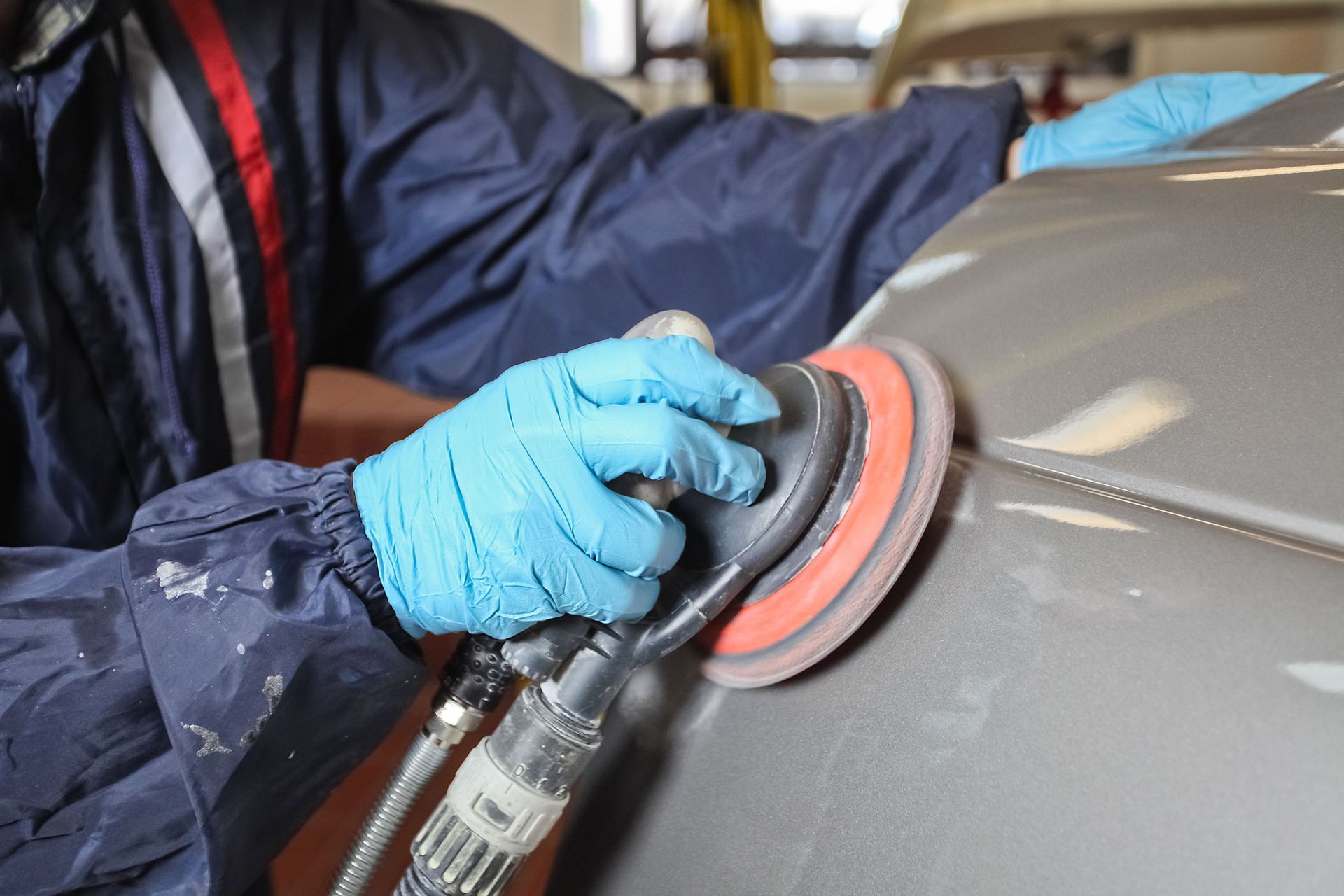
Paint and refinishing play a key role in restoring appearance after an accident. Asking about color matching and refinishing methods helps set expectations for visual consistency. These details often matter most once repairs are complete.
Even subtle differences in finish or tone can be noticeable. Understanding how refinishing is approached can reduce surprises. Clear discussions can support satisfaction with the final result.
Knowing what to expect from the refinishing process can also help during pickup. These conversations provide context for evaluating completed work. They contribute to a smoother conclusion of the repair process.
Parts and Repair Choices
What Parts Will Be Used for Repairs?
Replacement parts are often required during collision repairs. Asking what types of parts may be used and how those decisions are made supports transparency. These discussions help clarify what to expect before work begins.
Parts selection can affect timelines and how components fit together. Understanding this process can prevent confusion later. It also helps ensure informed decision-making.
Discussing parts early allows time to ask questions. It can also help explain potential delays. Clear communication here supports a smoother repair experience.
How Are Repair Decisions Communicated?
Additional damage may be discovered once repairs are underway. Asking how changes are communicated can help you stay informed. This knowledge supports better preparation.
Clear communication around updates can reduce misunderstandings. It allows time to consider next steps. This becomes especially helpful if repairs extend beyond the original estimate.
Understanding how decisions are shared helps maintain clarity. It also supports smoother coordination. These factors contribute to a more controlled process.
Estimates and Insurance Coordination
Do You Provide Written Estimates?
Written estimates outline the expected scope of work and associated costs. Asking how and when estimates are provided helps with planning. These documents also serve as useful reference points.
Estimates can be reviewed alongside insurance information. This can support clearer discussions. Reviewing details early helps prevent confusion later.
Clear estimates allow time for questions. They also improve understanding of the repair plan. This contributes to a more informed decision.
How Do You Work With Insurance Companies?
Insurance claims can add complexity after an accident. Many facilities assist by communicating directly with insurance providers. Asking how this coordination works can reduce uncertainty.
Understanding roles helps clarify expectations. It also outlines what information may be required from you. This clarity supports smoother progress.
Knowing how insurance communication is handled can reduce stress. It can also help with timelines. These discussions support better preparation.
Customer Support Considerations
Is Towing Assistance Available?
After an accident, a vehicle may not be safe to drive. Asking about towing assistance helps with immediate planning. Knowing options ahead of time can simplify decisions.
Transportation needs often arise quickly. Understanding available support can reduce uncertainty. This preparation can ease a stressful situation.
Clarifying towing options allows faster responses. It also supports safety considerations. These details matter early in the process.
Are Rental or Loaner Vehicles an Option?
Collision repairs may take time depending on damage severity. Asking about rental or loaner options helps maintain mobility. This can be important for daily responsibilities.
Transportation disruptions can affect schedules. Understanding options helps with planning. This consideration supports continuity during repairs.
Clear expectations around mobility support reduce inconvenience. They also help manage timelines. These details contribute to overall preparedness.
Clear Communication
How Will I Receive Updates During Repairs?
Clear communication helps maintain confidence during repairs. Asking how updates are provided supports transparency. Updates may include progress or timeline changes.
Knowing when to expect information reduces uncertainty. It also helps manage expectations. These updates support smoother coordination.
Regular communication contributes to clarity. It also supports informed decisions. These practices improve the overall experience.
Can You Explain the Repair Process Clearly?
A collision repair service should be able to explain repair steps in a straightforward way. Clear explanations help improve understanding. This clarity supports informed choices.
Asking questions encourages open dialogue. It also improves awareness of what work is being completed. These conversations add valuable context.
Understanding the process can reduce confusion. It also helps with evaluation at pickup. This awareness supports confidence in the outcome.
Steps After Repairs
What Should I Expect When Picking Up My Vehicle?
Once repairs are complete, understanding next steps is helpful. Asking about inspections or walkthroughs clarifies expectations. This review supports confirmation of completed work.
Pickup provides an opportunity to ask final questions. It also allows time to review results. These steps support closure.
Taking time at pickup can prevent future concerns. It also reinforces understanding of completed repairs. This final step completes the process.
Selecting a collision repair service is an important decision that affects both vehicle condition and overall experience. Asking clear, practical questions supports informed choices and better preparation. To learn more about what to expect from a collision repair service, Keno Collision & Service offers additional resources to help guide your next steps.